Oyster WordPress Theme
by GT3themes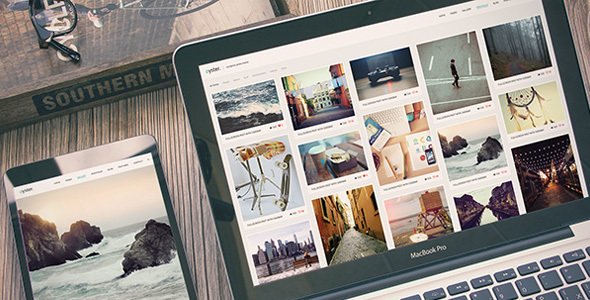
Stuck on your Oyster WordPress theme? Let's fix it.
No endless back-and-forth. Just send us the details and we'll get it done.
No obligation · Replies within 1 hour · Quote within 1 day
Setup · Customization · Bug fixes · WooCommerce integration
About Oyster WP Theme
Oyster is a WordPress theme built by GT3themes, designed around clean grid layouts, bold typography, and flexible portfolio presentation. It targets creatives, agencies, and studios that need a polished front end without a heavy page builder dependency.
The theme ships with Elementor compatibility, a set of pre-built demo layouts, and WooCommerce support. GT3themes maintains the theme with regular updates, and the codebase follows standard WordPress hooks and filters, which makes customisation predictable.
Out of the box, Oyster handles full-width headers, sticky navigation, and custom post types for portfolio work. It is a practical choice for anyone building a visual-first site on WordPress without wanting to start from a blank canvas.
Get matched with a Oyster developer in under one day
Tell us about your Oyster project. Small fixes, Oyster theme customization, or a full website build, whatever you need, we've got it covered.
We'll connect you to the right Oyster developers, define the scope, and get everything 100% clear.
You'll get one estimate, hire your preferred developer, and start collaborating.
Most Oyster issues are not theme bugs. They are conflicts, misconfigured settings, or customisations that drifted from the original template structure. An experienced developer spots these quickly.
Through Codeable, you can post your Oyster project and receive a vetted developer within 24 hours. No bidding wars, no unknown freelancers. Every developer on Codeable is screened, and the estimate is free with no obligation to hire.
Pros
- Clean, minimal codebase that follows WordPress coding standards
- Full Elementor compatibility with page-level layout control
- Multiple pre-built demo layouts ready to import with one click
- WooCommerce support included out of the box
- Regular updates from GT3themes with documented changelogs
Cons
- Heavily dependent on Elementor, which adds page load weight
- Demo content requires manual cleanup before launching a live site
- Some typography settings only work within Elementor, not the Customizer
- Limited native mega menu support without a third-party plugin
- Support response from GT3themes can be slow during peak periods
Who is Oyster for?
Creative Portfolio
Oyster’s grid-based portfolio post type and full-width project pages make it a practical choice for showcasing design, illustration, or motion work. Case study layouts are straightforward to set up using the included Elementor templates. An Oyster developer can extend these into filterable galleries with custom taxonomy support.
Digital Agency
Agencies need a site that presents services clearly and converts visitors. Oyster’s section-based homepage layouts work well for this. Service pages, team grids, and contact forms all slot in without major restructuring. A developer familiar with the Oyster theme can wire in lead capture tools and CRM integrations on top of the base layout.
Photography Studio
Photography studios need fast image loading and a clean presentation. Oyster handles full-width imagery and lightbox galleries without plugins in most cases. An Oyster specialist can configure lazy loading, image compression workflows, and client gallery access areas to turn the base theme into a working studio site.
Small eCommerce Store
Oyster’s WooCommerce compatibility covers product grids, single product pages, and cart styling. It suits small stores selling physical or digital goods. For more complex setups, such as variable products with custom attributes or subscription billing, an Oyster developer can build on top of the theme’s existing WooCommerce templates.
Freelance Designer
Freelancers need a site that is fast to maintain and easy to update. Oyster’s Elementor-based editing means content changes don’t require developer access every time. The portfolio and services sections cover the core of what a freelance designer needs, and the theme scales if the business grows into an agency structure.

Customizing Oyster
Oyster exposes most of its design options through the WordPress Customizer and the Elementor panel. You can adjust colour schemes, fonts, header layouts, and footer columns without touching code. The theme also supports custom CSS fields for targeted overrides.
Deeper changes, such as restructuring templates, adding custom post type integrations, or modifying the Elementor widget set, require PHP and WordPress template knowledge. That is where working with an Oyster expert pays off.
An experienced Oyster developer can extend the theme’s demo layouts into something site-specific, connect it to external APIs, or strip out unused features to improve load time. If the Customizer panel isn’t getting you where you need to go, a specialist can close that gap quickly.
Recommended plugins for Oyster
Oyster works cleanly with most WordPress plugins. WooCommerce product pages inherit the theme’s grid styling with minor CSS adjustments. Contact Form 7 and WPForms both render without conflicts.
For SEO, Oyster is compatible with Yoast SEO and Rank Math. Structured heading hierarchy and clean markup help, but you will still want a dedicated WordPress SEO setup to get full benefit.
On the performance side, Oyster’s asset loading can be optimised through caching and minification plugins. A proper WordPress performance audit will identify exactly what to trim.
Not sure which plugins to use? This WordPress plugins directory covers the most popular options with reviews and setup guides.
Oyster common issues
Oyster theme header not showing on mobile
Mobile header issues in Oyster are usually caused by a CSS conflict with an added plugin or a custom breakpoint setting that overrides the theme defaults. Open browser dev tools, inspect the header element on mobile view, and look for conflicting display rules. Check the Elementor mobile settings for the header section and confirm the mobile menu toggle is set to visible. Clearing the Elementor CSS cache often resolves leftover styles.
Oyster homepage layout broken after Elementor update
Elementor updates occasionally deprecate widgets or change how sections render. After a major Elementor release, regenerate the CSS from Elementor’s Tools panel and check for any deprecated widget warnings in the editor. If specific sections have collapsed, re-save them individually. If the layout is still broken across multiple pages, a WordPress bug fix from a developer familiar with Oyster is the fastest resolution path.
Oyster theme demo import not working
Failed demo imports in Oyster are almost always a server limitation. PHP memory limit, max execution time, or max upload size being too low will silently fail the import. Set memory_limit to at least 256M and max_execution_time to 300 in php.ini or wp-config.php. If the issue persists, import XML content, widgets, and Customizer settings separately rather than using the one-click import.
Oyster portfolio page showing wrong grid columns
Grid column counts in Oyster’s portfolio are controlled via the Elementor column settings on the portfolio widget or through the theme’s portfolio shortcode attributes. If the grid is rendering incorrectly, check whether a caching plugin is serving a stale stylesheet. Clear all caches, then check the portfolio widget settings in Elementor. Ensure the column count setting hasn’t been overridden at a responsive breakpoint.
Oyster WooCommerce product images not displaying correctly
WooCommerce product image sizing in Oyster depends on matching the image dimensions set in WooCommerce settings to the actual uploaded image sizes. After changing image dimensions, run the Regenerate Thumbnails plugin to update all existing product images. If images still crop incorrectly, check for CSS overrides in the Oyster child theme or Elementor’s WooCommerce product widget settings. A WordPress bug fix service can trace the conflict quickly.
Oyster theme custom fonts not loading
Custom font loading failures in Oyster typically stem from either a missing font file path or a conflict between Elementor’s font manager and the theme’s own font enqueue. Check the browser console for 404 errors on font file requests. If using Google Fonts through Elementor, verify the Elementor font settings haven’t been reset. If using a self-hosted font, confirm the font face declaration in the child theme stylesheet is pointing to the correct file path.
Oyster sticky header overlapping page content
Sticky header overlap is a common layout issue when the header height changes between scroll states. Oyster uses a CSS class toggle on scroll for sticky behaviour. The fix is adding a matching top padding or margin to the first section below the header equal to the sticky header’s height. This can be set in Elementor’s section padding settings or in the child theme CSS using the admin bar offset calculation as a reference.
Oyster theme white screen after update
A white screen after updating Oyster usually means a PHP compatibility error or a conflict with an active plugin. Deactivate all plugins via FTP by renaming the plugins folder, then reload the site. If the white screen clears, reactivate plugins one by one to identify the conflict. Check the PHP error log for the exact error line. If the issue is inside the theme’s own files, consider restoring the previous version while the fix is applied. See our WordPress bug fixing service for hands-on help.
Oyster contact form not sending emails
Contact form email failures in Oyster sites are rarely a theme issue. The cause is almost always server-level email delivery. WordPress uses PHP mail by default, which many hosts block. Install an SMTP plugin such as WP Mail SMTP and configure it with your email provider’s credentials. Test delivery through the plugin’s test tool. If emails are sending but not arriving, check spam folders and verify the sender domain has correct SPF and DKIM records.
Oyster theme slow loading on mobile
Oyster’s reliance on Elementor means the front end loads additional scripts and stylesheets that affect mobile performance. Start by enabling Elementor’s optimised asset loading option under Elementor settings. Then configure a caching plugin with CSS and JS minification. Defer non-critical scripts, and use a CDN for static assets. Lazy loading for images below the fold reduces initial page weight significantly on mobile connections.
Oyster FAQ
Yes. Oyster is built around Elementor and most of its demo layouts are Elementor-based. The free version of Elementor handles the majority of layouts, though some demo sections use Elementor Pro widgets. GT3themes also provides a companion plugin for theme-specific widgets that extends what Elementor offers in Oyster.
Oyster includes WooCommerce support with styled product grids, single product pages, cart, and checkout. The styling is consistent with the rest of the theme. Complex WooCommerce setups with subscriptions, multi-currency, or custom product types may need additional development work from an Oyster specialist to integrate cleanly.
Demo content is imported through the GT3themes companion plugin panel inside the WordPress dashboard. Before importing, set PHP memory limit to 256M and max execution time to 300. If one-click import fails, import the XML, widgets, and Customizer settings as separate steps. Always back up your site before running a demo import on an existing installation.
Technically yes, but it is not practical. Oyster’s core page layouts are built with Elementor templates, so removing Elementor leaves most demo pages unstyled. You can use the theme with the block editor for standard posts and pages, but you lose the visual layout control the theme was designed around. Most Oyster developers recommend keeping Elementor active.
Oyster handles portfolios well. It includes a portfolio custom post type, filterable grid layouts, and full-width project pages. The grid styling is clean and the layouts adapt to mobile without major issues. It suits designers, photographers, and agencies. An Oyster developer can extend the portfolio with custom filters, lightboxes, or client-restricted gallery areas.
Create a child theme by making a new folder in wp-content/themes, adding a style.css with the correct Template header pointing to oyster, and an functions.php that enqueues the parent stylesheet. Alternatively, use a plugin like Child Theme Configurator to generate the files automatically. Always do custom code in a child theme to avoid losing changes when Oyster updates.
Oyster is compatible with WPML. The theme uses standard WordPress translation functions, and the companion plugin widgets are also WPML-compatible. Setting up a multilingual Oyster site requires configuring WPML’s String Translation for theme-specific text strings and using WPML’s page duplication workflow for Elementor-built pages.
Codeable is the most reliable option for hiring a vetted Oyster WordPress developer. Post your project, receive a free estimate within 24 hours, and only hire if the terms work for you. Every developer on Codeable is screened before they can take projects, which removes the guesswork of finding someone qualified.
Before updating Oyster, back up your site including files and database. If you have a staging environment, run the update there first. After updating, clear Elementor’s CSS cache from the Elementor Tools panel and check key pages visually. If you have custom code, use a child theme so updates never overwrite your changes. Check the GT3themes changelog before updating to flag any breaking changes.
Yes, you can migrate an existing WordPress site to the Oyster theme. The content migrates without issue, but your existing page layouts will need to be rebuilt using Oyster’s Elementor templates. A full WordPress migration handled by an Oyster developer covers both the technical transfer and the layout rebuild in one project.
Hire an Oyster WordPress Developer
Whether you need layout changes, plugin conflicts resolved, or a full site build on the Oyster theme, working with a specialist saves time. Describe your project and get a free estimate with no commitment required. Projects are matched to vetted WordPress developers through Codeable, usually within 24 hours. You only move forward if the estimate works for you.
You'll need a free Codeable account so developers can ask questions and send their quotes.