Chicago WordPress Theme
by WPCharming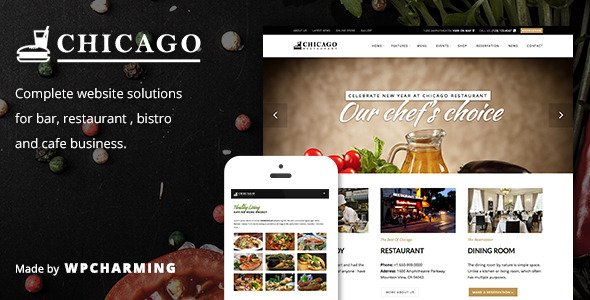
Stuck on your Chicago WordPress theme? Let's fix it.
No endless back-and-forth. Just send us the details and we'll get it done.
No obligation · Replies within 1 hour · Quote within 1 day
Setup · Customization · Bug fixes · WooCommerce integration
About Chicago WP Theme
Chicago is a WordPress theme by WPCharming built around clean typography and structured grid layouts. It suits content-heavy sites that need a readable, editorial feel without sacrificing speed. The theme ships with multiple homepage layouts, a customizable header, and widget-ready sidebars that give you real flexibility out of the box.
WPCharming designed Chicago with bloggers, online magazines, and niche news sites in mind. It supports Gutenberg fully, integrates with popular page builders, and loads fast on shared hosting without any heavy configuration. The code is well-structured, making it straightforward to extend with custom post types or child themes. If you want a professional-looking content site without starting from scratch, Chicago gives you a solid foundation.
Get matched with a Chicago developer in under one day
Tell us about your Chicago project. Small fixes, Chicago theme customization, or a full website build, whatever you need, we've got it covered.
We'll connect you to the right Chicago developers, define the scope, and get everything 100% clear.
You'll get one estimate, hire your preferred developer, and start collaborating.
WPCharming builds solid themes, but every business has specific requirements that default settings cannot cover. A vetted WordPress developer can customize Chicago to fit your content strategy, fix layout inconsistencies, and integrate third-party tools properly. Through Codeable, you get matched with experienced developers who know the theme well, provide a free estimate upfront, and only start work when you are ready. No generic freelancer marketplaces, no risk.
Pros
- Clean typographic layout that works well for long-form editorial content
- Multiple pre-built homepage variations reduce initial setup time
- Full Gutenberg compatibility with sensible block styling out of the box
- Lightweight codebase that loads quickly without performance plugins
- Widget-ready sidebar areas give good control over content placement
Cons
- Limited built-in WooCommerce styling requires extra CSS for shop pages
- Typography customization options in the Customizer are fairly basic
- No drag-and-drop builder included, so complex layouts need manual coding
- Footer layout options are minimal compared to competing editorial themes
- Documentation is sparse, which slows down custom development work
Who is Chicago for?
Online News Magazine
Chicago’s multi-column grid and category-based layout templates make it a practical choice for news magazines publishing high volumes of articles. The structured homepage lets editors feature breaking stories at the top while keeping recent posts visible below. With custom category templates added by a developer, you can create distinct section pages for each editorial vertical.
Personal Blog
For personal bloggers, Chicago offers a focused reading experience with generous white space and clear typographic hierarchy. The sidebar supports newsletter opt-ins, recent posts, and social links without cluttering the content area. The theme scales well whether you are publishing twice a week or running a daily schedule with multiple post formats.
Niche Authority Site
Niche authority sites covering topics like personal finance, fitness, or travel benefit from Chicago’s clean content structure. Long-form guides and listicles display well with the default post templates. Adding custom post types for reviews or comparisons with Advanced Custom Fields extends the theme into structured content territory without a full rebuild.
Digital Publication
Digital publications that want an editorial-style aesthetic without paying for a premium magazine theme will find Chicago a capable alternative. The theme handles featured images, pull quotes, and article metadata cleanly. A developer can add custom author boxes, reading time indicators, and related post modules to push the editorial experience further.
Content Marketing Hub
Brands running content marketing operations need a site that keeps readers on-page and funnels them toward lead capture. Chicago’s layout supports sticky sidebars with opt-in forms and clear internal linking structures. Paired with proper SEO configuration and page speed work, it functions well as a long-term content hub driving organic traffic.

Customizing Chicago
Chicago exposes most of its settings through the WordPress Customizer, so you can adjust colors, fonts, header layout, and sidebar visibility without touching code. That works well for basic setups. But if you need a custom post grid, a specific article layout, or a branded header that matches your style guide exactly, you will hit the limits of the Customizer fairly quickly.
A Chicago expert can build a child theme, write targeted CSS overrides, and configure custom page templates that go well beyond the defaults. Whether you need to rework the homepage layout, integrate a custom navigation structure, or adapt the theme for a multilingual site, working with a dedicated Chicago WordPress developer saves time and avoids the trial-and-error of doing it yourself.
Recommended plugins for Chicago
Chicago pairs well with WooCommerce if you want to add a shop or digital downloads section to an editorial site. Plugins like Advanced Custom Fields extend it further, letting you build structured content types without a page builder. For advertising-supported blogs, ad management plugins slot in cleanly given the theme’s sidebar-heavy layout.
If site speed matters, a caching plugin combined with image optimization will push Chicago’s performance further. For content-driven sites chasing organic traffic, pairing the theme with proper on-page WordPress SEO work and a performance audit makes a measurable difference in rankings and load times.
Not sure which plugins to use? This WordPress plugins directory covers the most popular options with reviews and setup guides.
Chicago common issues
Chicago theme header not displaying correctly after WordPress update
Header display issues after a WordPress update are usually caused by a conflict between the theme’s header template and a changed core function. First, switch to a child theme if you are editing the parent directly, as core updates can overwrite custom header code. Check the browser console for JavaScript errors and deactivate recently updated plugins one by one. If the problem persists, a WordPress bug fix from a developer will identify the exact conflict quickly.
Chicago theme sidebar disappearing on mobile devices
Chicago’s sidebar uses a float-based layout in some versions, which can collapse on smaller screens when images or wide elements inside widgets overflow their container. Add overflow: hidden to the sidebar wrapper in your child theme’s CSS, and check that all widget content has defined max-widths. If the sidebar is set to appear on mobile in the Customizer but still disappears, there may be a media query conflict introduced by a plugin adding its own stylesheet.
Chicago WordPress theme slow loading on shared hosting
Slow load times on shared hosting with Chicago are usually down to unoptimized images, no caching layer, and multiple render-blocking scripts from plugins. Install a caching plugin, compress images using a tool like ShortPixel, and disable any plugins you are not actively using. A proper WordPress performance review will identify the specific bottlenecks and reduce your Time to First Byte measurably.
Chicago theme homepage layout broken after plugin install
Homepage layout breaks after a plugin install typically mean a CSS conflict or a JavaScript error is preventing the page from rendering correctly. Open your browser’s developer tools and check the console for errors. Deactivate the recently installed plugin and reload. If the layout restores, the plugin’s stylesheet is overriding Chicago’s grid classes. A developer can isolate the conflict and add specific CSS overrides to keep both the plugin and the theme working together.
Chicago FAQ
Chicago by WPCharming is available as a free theme through the WordPress.org directory. WPCharming may offer a premium version or add-on with additional layout options and support. For the free version, community support is available through the WordPress forums, though response times vary. Paid developer help is the faster route if you need specific customizations or fixes.
Chicago works with WooCommerce, but it does not include dedicated shop page templates. Product pages and the cart will use WooCommerce’s default styling, which may not match the theme’s editorial look. A developer can add custom WooCommerce templates to Chicago so your shop pages feel consistent with the rest of the site.
Chicago is compatible with both Elementor and Divi, but the theme’s built-in layouts are designed for the block editor. Using a page builder alongside Chicago can create CSS conflicts on the blog and archive pages. If you plan to use Elementor heavily, a developer can configure Chicago so the builder handles specific pages while the theme handles the editorial sections.
Create a new folder in wp-content/themes/ named chicago-child. Add a style.css file with the correct Template: chicago header and a functions.php file that enqueues the parent stylesheet. Activate the child theme from the WordPress dashboard. All custom CSS and template overrides go in the child theme so updates to the parent do not overwrite your changes.
Yes, you can migrate an existing WordPress site to the Chicago theme. The content itself transfers without issues since it is stored in the database. What requires attention is rebuilding any custom layouts, widget configurations, and menu structures to match Chicago’s template system. If you are also changing hosting providers at the same time, a WordPress migration service handles both together cleanly.
Hire a Chicago WordPress Expert
If you need custom layouts, plugin integrations, or performance work on your Chicago theme, a specialist will get it done faster and cleaner than piecing it together yourself. All developers on Codeable are vetted and reviewed. You get a free estimate before any commitment. Post your project and get a free estimate today — no obligation to hire.
You'll need a free Codeable account so developers can ask questions and send their quotes.